Bulk Building Materials Delivery Magnetic Island Costs
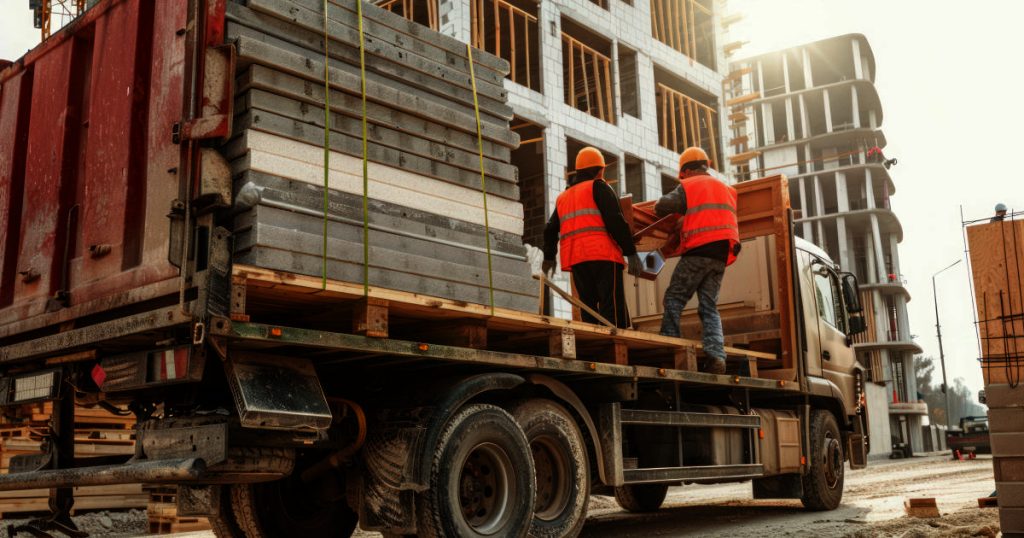
Navigating the costs of bulk building materials delivery on Magnetic Island can be challenging. Discover essential insights to optimize your purchasing strategy!
Understanding Bulk Building Materials Delivery Costs on Magnetic Island
Factors Influencing Delivery Costs
When it comes to understanding the costs associated with bulk building materials delivery Magnetic Island costs, several factors come into play. One of the primary considerations is the type of materials being transported. Different materials require different handling and transportation methods, which can affect the overall cost. For example, delivering sand and gravel might be less costly compared to transporting fragile materials like glass or custom-made items that require special packaging and handling.
Another significant factor is the quantity of materials being delivered. Bulk orders typically benefit from economies of scale, meaning the more you order, the less you may pay per unit for transportation. However, this can be a double-edged sword as oversized deliveries may require special permits, additional labor, or specialized equipment, which can drive up costs. Additionally, the frequency of deliveries also plays a role. Regular, scheduled deliveries might come at a discounted rate compared to one-off or emergency deliveries for bulk building materials delivery Magnetic Island costs.
Lastly, the time of year and specific market conditions can also impact delivery costs. During peak construction seasons, demand for delivery services can surge, leading to higher prices. Conversely, during slower periods, you might find more competitive rates. Understanding these factors can help you better predict and manage your bulk building materials delivery Magnetic Island costs.
Types of Bulk Building Materials Commonly Delivered
Magnetic Island’s unique geographical and environmental conditions necessitate a broad range of building materials for various construction projects. Among the most commonly delivered bulk materials are aggregates like sand, gravel, and crushed stone. These materials are fundamental for creating concrete, laying foundations, and other essential construction tasks. Given their weight and volume, efficient delivery methods are crucial to keep costs manageable.
Cement and concrete are also frequently delivered in bulk building materials delivery Magnetic Island costs. These materials are critical for both residential and commercial construction. Due to their perishable nature, it is important to coordinate deliveries precisely to ensure the materials are used while still fresh. This often requires a thorough understanding of project timelines and storage capacities to avoid wastage and additional costs.
Other commonly delivered materials include bricks, timber, steel, and insulation. Each of these materials has specific handling and storage requirements, which can influence delivery costs. For instance, timber needs to be protected from moisture during transit, while steel may require specialized loading and unloading equipment. Understanding the unique needs of each material can help in planning and reducing delivery expenses.
The Role of Distance and Location on Costs
The distance between the supplier and the construction site on Magnetic Island is a significant factor in determining delivery costs. The farther the distance, the higher the transportation costs due to fuel consumption, driver hours, and vehicle wear and tear. For an island location, this often means coordinating with ferry services or specialized maritime transport, which can add another layer of complexity to bulk building materials delivery Magnetic Island costs.
Location-specific challenges also come into play. Magnetic Island’s terrain and infrastructure can impact delivery routes and times. For example, narrow or poorly maintained roads might require smaller, more maneuverable vehicles, which can lead to higher bulk building materials delivery Magnetic Island costs per trip. Similarly, remote or difficult-to-access sites might necessitate additional labor or equipment to ensure safe and efficient delivery.
Moreover, the availability of local suppliers versus those located on the mainland can dramatically affect delivery costs. Local suppliers might offer lower transportation costs due to proximity, but their material prices might be higher. Conversely, mainland suppliers could provide cheaper materials but at higher delivery costs. Striking a balance between these factors is essential for cost-effective project planning.
Understanding Weight and Volume Considerations
Weight and volume are crucial variables in the cost equation for bulk building materials delivery. Heavy materials, such as concrete or large quantities of aggregates, increase fuel consumption and wear on transportation vehicles, which in turn raises delivery costs. Moreover, exceeding weight limits can incur fines or require special permits, adding to the expenses.
Volume also plays a significant role. Bulky materials like insulation or timber might not be heavy but can occupy substantial space, necessitating larger or multiple vehicles. This can complicate logistics and drive up costs, especially if the delivery requires multiple trips or specialized vehicles to accommodate the materials’ dimensions.
Additionally, the packaging and handling of these materials can impact the overall cost. Efficiently packed materials that optimize space within the delivery vehicle can reduce the number of trips required, thereby lowering transportation costs. Conversely, poorly packed or irregularly shaped materials can lead to underutilized space and higher costs. Understanding these nuances is key to managing delivery expenses effectively.
Comparing Local vs. Offshore Suppliers
Choosing between local and offshore suppliers is a pivotal decision that can significantly impact delivery costs. Local suppliers offer the advantage of proximity, which usually translates to lower transportation costs and faster delivery times. Additionally, working with local suppliers can foster stronger relationships, leading to better service and potentially more favorable pricing or terms.
However, local suppliers might have limited material options or higher base prices due to smaller scale operations. In contrast, offshore suppliers, particularly those on the mainland, can offer a broader range of materials and potentially lower prices due to larger economies of scale. The trade-off, however, is the higher transportation bulk building materials delivery Magnetic Island costs and longer delivery times associated with getting materials from the mainland to Magnetic Island.
Furthermore, offshore suppliers might offer more competitive pricing during certain times of the year or for bulk orders. However, this requires careful planning to account for the longer lead times and potential delays associated with maritime transport. Evaluating the pros and cons of both local and offshore suppliers can help you make a well-informed decision that balances cost, availability, and convenience.
Seasonal Variations in Delivery Costs
Seasonal fluctuations can have a considerable impact on bulk building materials delivery Magnetic Island costs for bulk building materials. During peak construction seasons, typically in the warmer months, the demand for delivery services surges. This increased demand can lead to higher prices due to the limited availability of transportation resources and higher fuel prices.
Conversely, during the off-peak seasons, you might find more competitive rates as suppliers and delivery services seek to maintain their business levels. This can be an opportune time to schedule deliveries, particularly for materials that can be stored without degrading. Planning your project timeline to align with these seasonal variations can help in managing costs more effectively.
Additionally, weather conditions can affect delivery schedules and costs. Adverse weather, such as heavy rains or storms, can delay deliveries and necessitate additional precautions or rescheduling, which can incur extra costs. Understanding the seasonal patterns and planning accordingly can mitigate these risks and help you take advantage of lower rates when possible.
Tips for Reducing Delivery Expenses
Reducing delivery expenses for bulk building materials on Magnetic Island requires strategic planning and coordination. One effective strategy is to consolidate orders to maximize the efficiency of each delivery. By ordering larger quantities less frequently, you can minimize the number of trips and take advantage of bulk pricing and transportation discounts.
Another approach is to negotiate with suppliers and delivery services. Establishing long-term relationships and committing to regular orders can often result in better pricing and terms. Don’t hesitate to shop around and compare quotes from multiple suppliers to ensure you’re getting the best deal.
Optimizing delivery schedules to avoid peak times and taking advantage of off-peak rates can also lead to significant savings. Additionally, ensuring that your site is well-prepared to receive deliveries can minimize unloading times and reduce the risk of additional charges. Proper planning and proactive communication with suppliers and delivery services are essential to keeping costs under control.
Case Studies: Real Delivery Cost Scenarios on Magnetic Island
To illustrate the complexities and varied nature of delivery costs, let’s examine a few real-world scenarios on Magnetic Island. In one case, a local construction company needed a large quantity of sand and gravel for a residential development project. By coordinating with a local supplier, the company was able to schedule multiple deliveries over a short period, taking advantage of bulk discounts and minimizing transportation costs. The close proximity of the supplier also meant faster delivery times, which kept the project on schedule.
In another scenario, a contractor required specialized glass panels for a commercial building. The panels were sourced from an offshore supplier on the mainland due to the lack of local availability. While the material costs were lower, the transportation expenses were significant due to the need for careful handling and the use of specialized vehicles. By planning well in advance and scheduling the delivery during an off-peak period, the contractor was able to mitigate some of the additional bulk building materials delivery Magnetic Island costs.
A third example involves a large-scale infrastructure project that required steel beams and other heavy materials. The project team opted to order from a mainland supplier with a reputation for reliability and competitive pricing. The increased transportation costs were offset by the supplier’s lower material prices and the project’s ability to store materials on-site until needed. This careful balance of cost considerations allowed the project to stay within budget while ensuring timely delivery of essential materials.
Key Takeaways
Understanding the various factors that influence bulk building materials delivery costs on Magnetic Island is crucial for effective project management. From the type and quantity of materials to the distance and seasonal variations, each element plays a role in determining the overall expenses. By carefully considering these factors and implementing strategic planning and coordination, you can optimize your delivery process and reduce costs.
Key takeaways include the importance of consolidating orders to maximize efficiency, negotiating with suppliers for better pricing, and planning deliveries to align with off-peak seasons. Additionally, choosing between local and offshore suppliers requires a careful evaluation of costs, availability, and convenience. Real-world case studies highlight the diverse scenarios and challenges that can arise, underscoring the need for proactive planning and communication.
By leveraging these insights and strategies, you can navigate the complexities of bulk building materials delivery on Magnetic Island and ensure your projects are completed on time and within budget. Understanding the nuances of bulk building materials delivery Magnetic Island costs and making informed decisions will ultimately lead to more successful and cost-effective construction projects.